
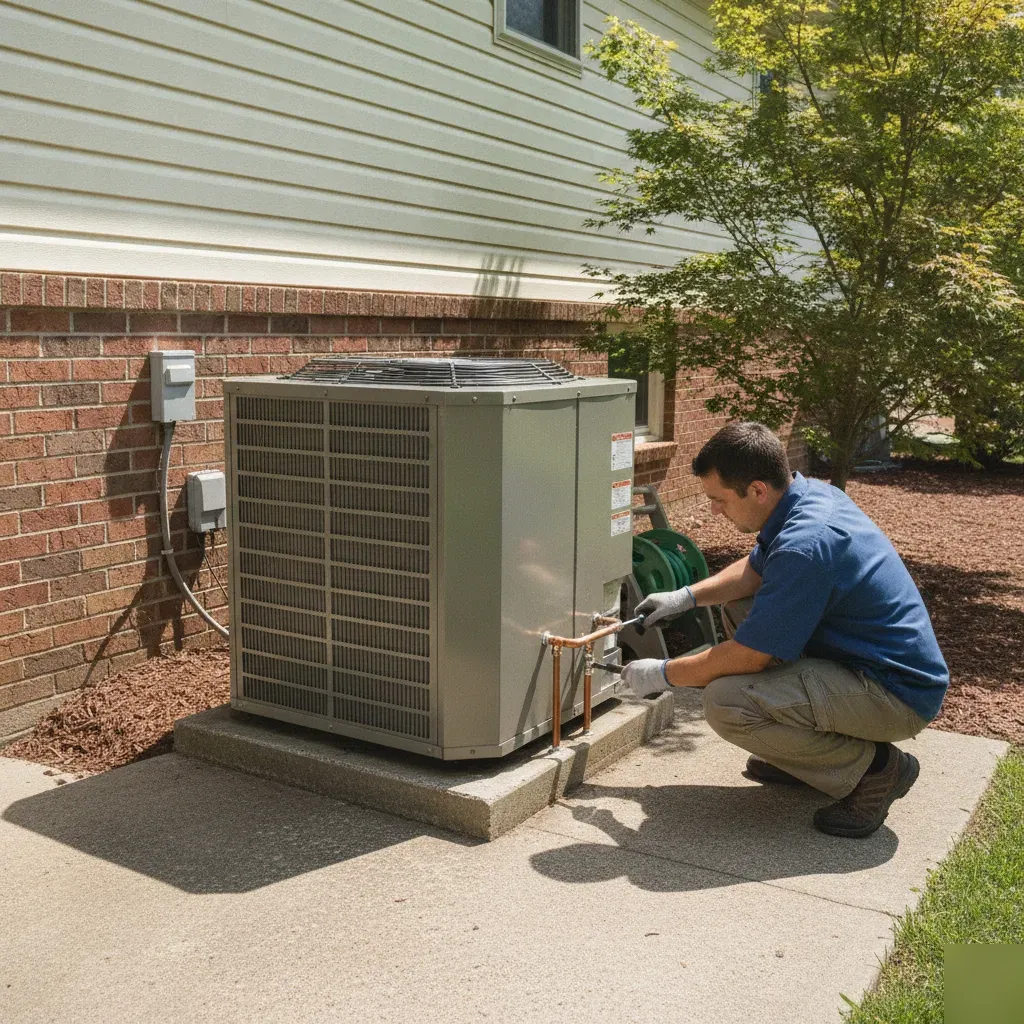
Install AC in Aubrey: Get Ready for Long, Hot Summers
Expert HVAC installation, repair & maintenance — residential and commercial
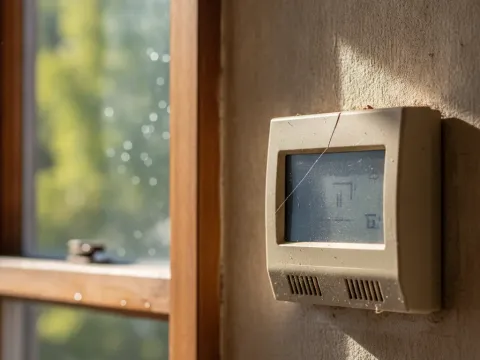
Signs You Need a New Air Conditioner
Most homes in Aubrey and Providence Village went up in the early 2000s through the 2010s, which means a lot of original AC units are hitting the 12 to 15 year mark right now. That's usually when things start going sideways. Not always with a dramatic breakdown, either. Sometimes it's just a slow decline you get used to without noticing.
So how do you know it's time to stop patching and start planning for a new system? Here's what we look for when we're out on a call:
- Your energy bills keep climbing even though you haven't changed your habits
- The system runs constantly during a Providence Village summer but the house still feels warm upstairs
- You're calling for repairs more than once a season
- The unit is pushing past 12 to 15 years old
- Rooms cool unevenly, one side of the house is fine, the other feels like an oven
- You hear grinding, rattling, or a hum that wasn't there before
Any one of those on its own isn't a huge deal. But when you start checking off three or four, the math usually favors installing new over repairing old. An aging compressor paired with a summer of triple-digit heat is often what pushes people to finally call us.
Here's a scenario we see a lot: a homeowner's unit stops cooling on the hottest week of July, the tech shows up, and the repair itself would cost real money, but the system is already 14 years old and losing efficiency fast. At that point you're not really saving anything by fixing it. You're just delaying the same decision a few months.
Not sure which category you fall into? That's fair, it's not always obvious from the couch. We offer a free estimate so you can get a straight answer before spending money on a repair that might not be worth it.
When Repair Is the Smarter Choice
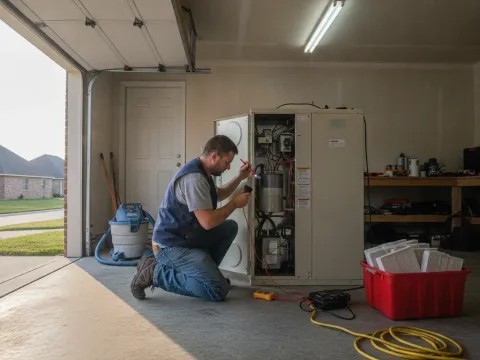
Not every AC problem means you need a new system. Sometimes a repair really is the right call, and we'll tell you that straight, even if it means less work for us.
If your unit is under ten years old and the compressor still runs fine, a repair usually makes more sense than replacement. A bad capacitor, a low refrigerant charge, a worn contactor - these are common fixes that get cold air flowing again without tearing out the whole system. We see this every single week. A homeowner calls thinking they need a full Install AC job, and it turns out to be a small part swap. On a system that young, an A/C system repair in Aubrey gets cold air moving again the same day for a fraction of what a new condenser costs.
Here's a rough guide we use when we walk through a home. If the system is younger than ten years, cools evenly room to room, and the repair cost is a fraction of what a new unit would run, repair wins. If it's breaking down every summer, using an older refrigerant type, or the ductwork is fighting you no matter what part gets swapped, that's a different conversation.
So how do you know which camp you're in? Ask yourself a few things. Has this unit broken down more than once this year? Is your energy bill climbing even though you haven't changed your habits? Are you hearing a grinding or rattling sound that wasn't there last summer?
One bad part doesn't mean a bad system.
We'll always give you the honest answer during a free estimate, not the one that pads the invoice. If the system's young and the fix is simple, we'll say so and get it done that day.
HOA Rules and Home Style in Providence Village
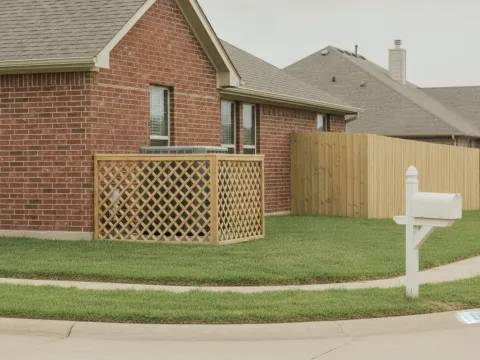
Most homes in Aubrey and Providence Village fall under an HOA with clear rules about what your yard can look like from the street. That includes your outdoor AC unit. Condenser placement, screening, and even the color of fencing around your equipment can be spelled out in the community's architectural guidelines. Skip that step, and you might get a letter asking you to move a unit you just paid to install.
We run into this constantly with newer builds. A lot of the homes here went up in the last several years, tight lots, small side yards, and HOA committees that review exterior changes before work even starts. Our team knows to check clearance requirements before we set a condenser, not after.
Here's what usually trips people up. Some HOAs require the unit to sit behind a fence line or screening wall, out of view from the road. Others limit how close the unit can sit to a property line or a neighbor's window. And if your home backs up to a shared easement, there may be extra restrictions on where equipment can go at all.
So before we ever pour a pad or mount a line set, we ask about your HOA's rules. It's the kind of local detail you only pick up after years of providing HVAC contractor services in Aubrey, TX, where nearly every neighborhood has its own architectural guidelines to work around.
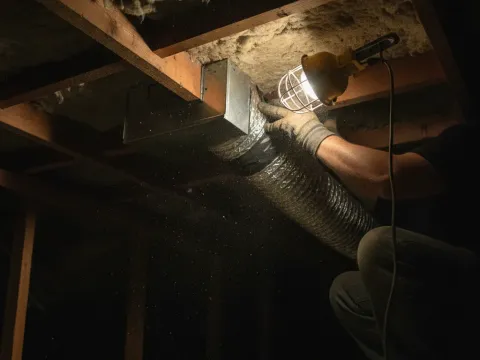
The Step-by-Step AC Installation Process
A rushed AC install causes more service calls than a bad compressor ever will. That's why we walk through the same process every time, no shortcuts.
First, we run a load calculation on your home. Square footage alone doesn't tell the whole story, insulation, window placement, and ductwork condition all factor in. Many homes in Providence Village were built within the last couple decades, so attic access and duct layout are usually consistent, but we still check every time rather than guess.
- Remove the old unit and inspect the existing line set and electrical for reuse or replacement.
- Set the new outdoor condenser on a level pad with proper clearance for airflow.
- Install or connect the indoor coil and confirm it matches the system's rated capacity.
- Run refrigerant lines, then pressure test the whole system for leaks before charging it.
- Wire the unit, set the thermostat, and power it up for the first cycle.
- Check airflow at each vent and verify the temperature split matches manufacturer specs.
We don't just flip the switch and leave. Most callbacks trace back to a step somebody skipped during install, so we test twice before we call the job done.
Before any of that starts, we'll walk your home with you and give you a free estimate, no guessing what you're paying for and why. And once the new system's running, we show you the thermostat settings and airflow, not just hand you a manual and go. From there, yearly A/C system maintenance in Providence Village keeps the coil clean and the refrigerant charge sitting where the manufacturer set it on install day.

What Drives AC Installation Costs
Every home is different, so every AC installation is different too. There's no single number that fits every house, and anyone who quotes you a price over the phone without seeing your setup is guessing. That's why we offer a free estimate. We walk your home, look at what you've got, and give you real numbers based on your actual system.
A few things move the price up or down. The size of your home matters, obviously, but so does the layout. A single-story ranch with straight duct runs costs less to work on than a two-story home with tight attic access. Your existing ductwork plays a big role too. If it's in good shape, we can often reuse it. If it's undersized, leaky, or just old, replacing sections adds labor and material costs.
Equipment efficiency is another factor. Higher SEER ratings cost more upfront but lower your monthly energy bills, and we're seeing this trade-off get asked about more every year. Your electrical panel matters as well, older homes sometimes need panel upgrades to handle a new system safely.
Removal of the old unit adds a step too, and disposal isn't free. Permits are part of the process in most jurisdictions, and that fee gets built into the job. Timing plays a role, too, HVAC companies get slammed in peak summer months, so scheduling early in the season can sometimes work in your favor.
Ask any installer these questions before you hire: What SEER rating are you quoting? Is the ductwork included in the price? Are permits and disposal part of the estimate? Good answers up front save you from surprises later.
Frequently Asked Questions
Common questions about Install AC in Providence Village
How long does a full AC installation take in Aubrey or Providence Village?
Most AC installations take one full day from start to finish. We run a load calculation first, then remove the old unit, set the new condenser, connect the indoor coil, and test the system twice before we leave. Homes here were mostly built within the last couple decades, so attic access and duct layout are usually straightforward, which keeps the job on schedule. If your ductwork needs extra work, we'll tell you that during your free estimate so there are no surprises on install day.
What should I expect when your technician arrives for an AC install?
You'll get a walk-through of your home before any work starts, so you know exactly what's happening and why. We check clearance requirements, inspect your existing line set and electrical, and confirm the new system's capacity matches your home's needs. Once installed, we don't just flip the switch and leave. We check airflow at every vent and walk you through your new thermostat settings before we call the job finished.
Do HOA rules in Aubrey or Providence Village affect where my new AC unit can go?
Yes, most homes here fall under an HOA with specific rules about condenser placement, screening, and fencing color around outdoor units. Tight lots and small side yards mean committees often review exterior changes before work even starts. We ask about your HOA's guidelines before we pour a pad or mount a line set, so you don't end up with a letter asking you to move a unit you just paid to install.
How do I know if I need a new AC or just a repair?
If your unit is under ten years old and cooling evenly, a repair is usually the smarter call. Common fixes like a bad capacitor or low refrigerant charge get cold air flowing again without replacing the whole system. But if you're calling for repairs more than once a season, hearing new grinding or rattling noises, or your unit is past 12 to 15 years old, replacement usually saves you more in the long run than another patch job.
Why do older homes in Providence Village need AC replacement around the same time?
A lot of homes here went up in the early 2000s through the 2010s, so many original units are now hitting that 12 to 15 year mark together. That's usually when compressors start losing efficiency, energy bills creep up, and rooms start cooling unevenly. It's rarely one dramatic breakdown. It's more often a slow decline you get used to until a summer heat wave pushes the system past its limit.