
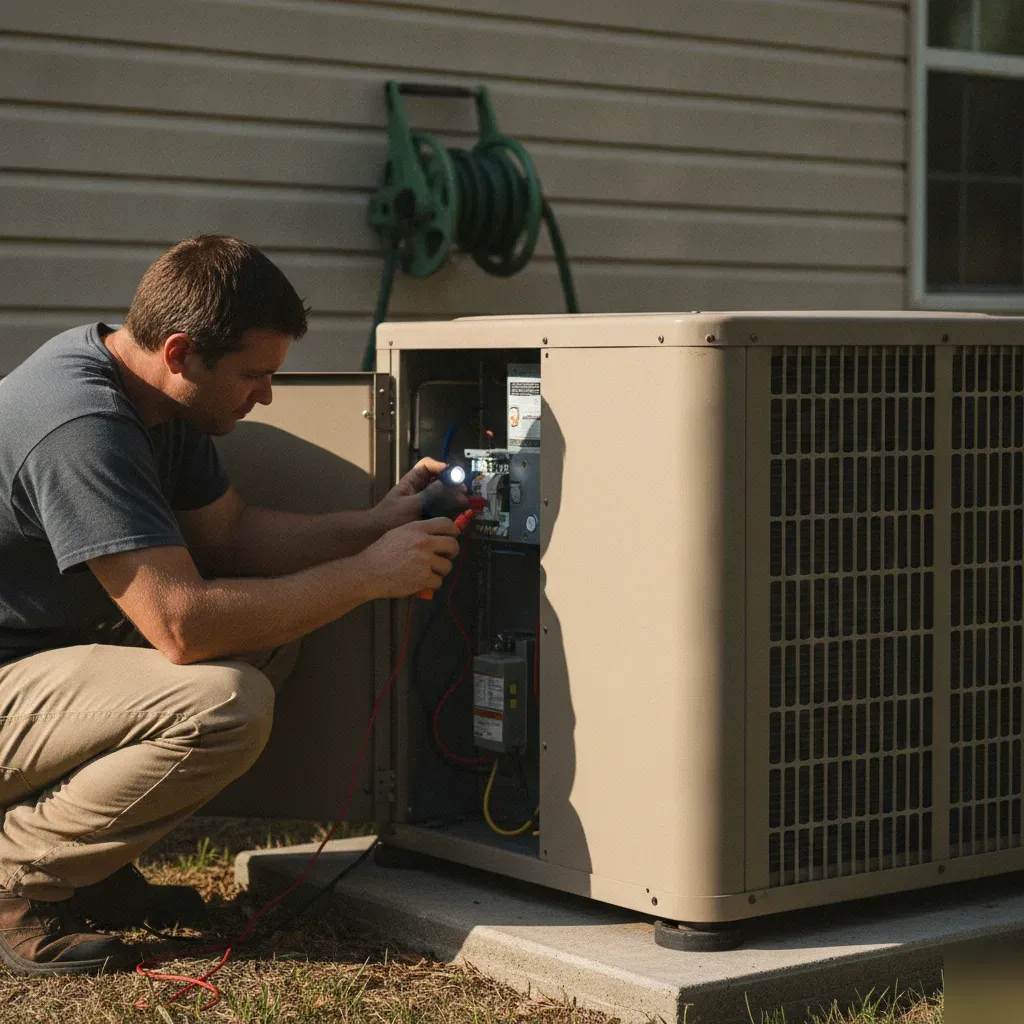
Repair HVAC in Aubrey: Get Your Comfort Back Fast
Expert HVAC installation, repair & maintenance — residential and commercial
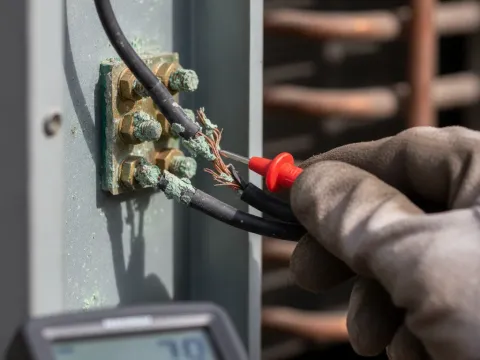
Signs Your HVAC System Needs Repair Now
Most people don't think about their HVAC system until it stops working. Fair enough. But your system usually gives you warning signs weeks before it quits completely, and catching them early saves you from a full breakdown on the hottest day of July.
Here's what tells us a repair call is overdue:
- Warm air blowing from vents when the AC is set to cool
- Strange noises, banging, squealing, or a rattling sound that wasn't there before
- Short cycling, where the system turns on and off every few minutes
- Rooms that never quite reach the temperature you set
- Higher energy bills with no change in how you use the system
- Ice on the refrigerant lines or the indoor coil
We see this every single week: a homeowner in Aubrey or Providence Village calls after noticing the system runs almost non-stop through a hot August afternoon, but the house still feels sticky and warm. That pattern usually means the system is struggling, either low on refrigerant or working against a dirty coil. Newer subdivisions here often have single-stage systems sized for average summer loads, and once temperatures push past what the unit was designed for, weak spots show up fast.
A musty smell near the vents can mean moisture where it shouldn't be. Water pooling near the indoor unit is never nothing - it usually points to a clogged drain line or a bigger issue building underneath.
Not sure if what you're noticing is serious? That's a common question, and it's a fair one. Some of these signs are minor and quick to fix. Others, like a compressor working overtime, can turn into a much bigger repair if ignored. Our team offers a free estimate so you know exactly what you're dealing with before any work starts. Most of the time, we can tell you over the phone whether it sounds like a simple fix or something that needs a same-day look.
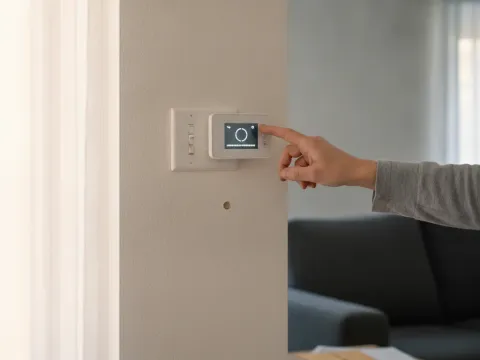
Simple Checks Before You Book a Repair Call
Before you pick up the phone, run through a few things. Sometimes the fix is right in front of you. We'd rather tell you that than send someone out for nothing.
First, check your thermostat. Dead batteries cause more "broken AC" calls than people realize, the screen goes dark and folks assume the whole unit died. Make sure it's set to cool or heat, not just fan. Next, walk over to your breaker panel. A tripped breaker looks like a switch stuck halfway between on and off. Flip it fully off, then back on. If it trips again right away, stop and call us, that's a sign of a bigger electrical issue inside the system.
Check your air filter too. Many homes in Aubrey and Providence Village were built in the last several years, and newer systems often use tighter duct sizing, so a clogged filter restricts airflow fast and can cause the unit to freeze up or shut down entirely. A dirty filter is an easy fix on your end.
- Thermostat set correctly and has working batteries
- Breaker hasn't tripped, or trips repeatedly (call us if it does)
- Air filter isn't clogged or gray with dust
- Outdoor unit isn't blocked by leaves, mulch, or a fence panel
- Vents around the house are open, not closed off in unused rooms
Now, if you've checked all that and something's still off, don't keep guessing. Ice on the lines, water pooling near the indoor unit, a burning smell, strange grinding noise - those aren't do-it-yourself problems. More often than not, homeowners wait too long on small warning signs, and a simple repair turns into a bigger one. So if the basics check out and comfort still isn't right, that's your sign to call. We'll take it from there.
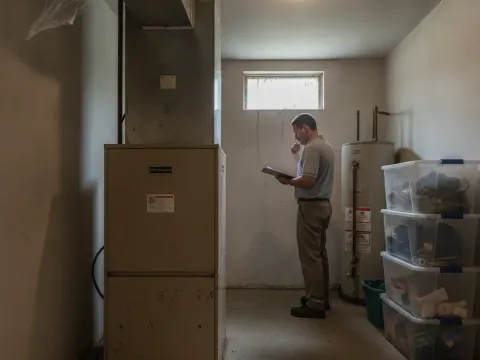
Repair or Replace: Making the Right Call for Aging Systems
Here's the honest answer nobody wants to hear at first: not every AC or furnace problem needs a whole new system. But some do, and knowing the difference saves you money either way. Most residential HVAC equipment runs 12 to 15 years before it starts breaking down more than it should. If your system falls in that range and it's asking for its second or third repair this year, that's your sign.
We look at four things before we tell a customer to replace instead of repair. Age of the unit. Cost of the repair compared to what a new system would run. Refrigerant type, since older systems using phased-out refrigerants get pricier to service every year. And how the system's been performing overall, not just today's issue.
A lot of homes in Providence Village were built in the mid 2000s to early 2010s, which puts a good chunk of the original HVAC equipment right at that 12 to 15 year mark now. We're seeing more of these units struggle through Texas summers than they used to. Those aging furnaces and condensers make up a good share of the heating and cooling work we take on as an Aubrey, TX HVAC contractor, from July no-cool calls to January furnace failures.
So when does repair make sense? If the system's under ten years old, the repair is a single component failure, and the unit's been reliable otherwise - fix it. Replacing a young, healthy system over one bad capacitor or a leaky line just wastes money.
When does replacement make more sense? When you're facing a major repair, like a compressor or heat exchanger failure, on a system already past its expected lifespan. Two repairs in one cooling season is often the tipping point too. Once we're back at the same unit twice in one summer, the homeowner already suspects what we're about to tell them.
We'll always give you the real numbers on both paths before you decide anything.
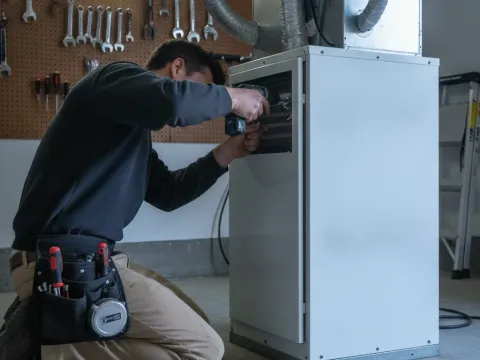
What Happens During a Professional Repair Visit
You call, we ask a few questions, and we get a tech out to look at the system. That's the short version. Here's what happens once we're standing in your utility closet or up in your attic.
Most homes in Providence Village were built in the last couple decades, so we're often dealing with attic-mounted furnaces and tight platform spacing, not old basement setups. That changes how we access the unit and how long the visit takes.
- We ask what you're noticing, weird noise, warm air instead of cold, the system short cycling.
- We check the thermostat first. Sounds basic, it catches more problems than people expect.
- We test electrical connections, capacitors, and refrigerant levels on the A/C side, or the ignitor and heat exchanger on a furnace.
- We isolate the actual cause. Usually it's one specific part, not the whole system failing.
- We explain what we found in plain terms and give you a free estimate before any repair work starts.
- Once you approve it, we fix it and test the system through a full cycle before we leave.
We don't guess. Every reading gets logged, every part gets tested before and after.
Sometimes the fix takes twenty minutes. A bad capacitor or a tripped safety switch, quick swap, done. Other times we're chasing an intermittent electrical fault that only shows up under load, and that takes longer to isolate. Either way, you'll know what's wrong and what it costs before we touch anything. That's the whole point of the estimate step, no surprises halfway through.
We also walk the system's history with you if it's had repeat issues. A furnace that keeps tripping the same safety switch is telling you something, and we'd rather solve the real problem than patch it again next winter, which is exactly how we approach heating system repair in Providence Village when the ignitor or heat exchanger is the part in question.
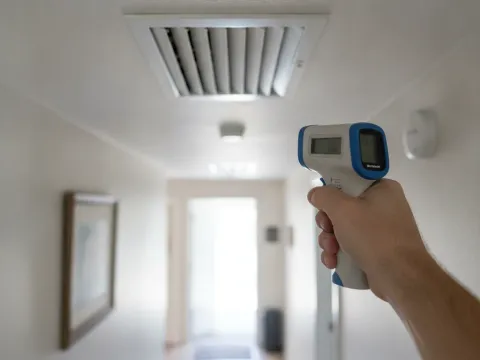
How We Confirm the Repair Holds
A repair isn't done when the noise stops. It's done when we've proven the fix will last through the next heat wave or cold snap, not just the drive home.
Here's what that looks like in practice. After we replace a part or make an adjustment, we run the system through a full cycle, not just a quick blast of air. We check refrigerant pressures, airflow, and temperature split between the supply and return. We watch the amp draw on the compressor or blower motor. Numbers don't lie, if something's still off, it shows up right there on the gauges.
We also listen. A system that's truly fixed runs quiet and even. One that's still struggling will hum different, cycle short, or hesitate on startup. A tech who's done this for years can often hear a problem before the readings confirm it.
- Static pressure and airflow checks across the ductwork
- Electrical connections tightened and tested under load
- Thermostat response confirmed against actual room temperature
- Full cycle run, not just a five-minute test
We walk you through what we found and what we did before we leave. No jargon, no rushed explanation. You should understand exactly why your system broke and why it won't break the same way again anytime soon.
And if something feels off after we leave, tell us. That's rare, but it happens, and it's part of doing this job right. A repair that holds saves you from paying for the same problem twice, and twice-yearly HVAC system maintenance in Aubrey is what keeps the next no-cool or no-heat call from showing up at all.
Frequently Asked Questions
Common questions about Repair HVAC in Providence Village
How fast can you get a technician to my home in Aubrey or Providence Village?
We aim to get a technician to your home the same day you call, especially during peak summer heat. Many newer subdivisions in Aubrey and Providence Village run single-stage systems that struggle once temperatures climb past design limits, so quick response matters. When you call, we ask a few questions first to figure out if it sounds like a simple fix or something urgent. That helps us prioritize same-day visits for systems that are frozen, leaking, or not cooling at all.
What should I expect when a technician arrives to repair my HVAC system?
Expect the technician to ask what you noticed first, then check your thermostat and test electrical connections. Since most homes in Providence Village have attic-mounted furnaces or tight platform spacing, access to the unit can take a little extra time compared to older basement setups. The technician walks through the system step by step, checking refrigerant levels, airflow, and any strange noises you mentioned. You'll get a clear explanation before any repair work starts.
Why does my AC run all afternoon but the house still feels warm?
This usually means your system is low on refrigerant or fighting a dirty coil. We see this pattern often in Providence Village during hot August afternoons, when single-stage systems sized for average summer loads get pushed past their limit. The unit runs almost non-stop but can't keep up, leaving rooms sticky and warm. This is a sign to schedule a repair visit before the problem gets worse and strains the compressor.
Should I repair my HVAC system or replace it?
Repair usually makes sense if your system is under ten years old and the issue is a single failed part. Replacement makes more sense once you're facing a major repair, like a compressor failure, on a unit already past 12 to 15 years old. A lot of Providence Village homes were built in the mid 2000s to early 2010s, putting original HVAC equipment right at that age range now. We look at the unit's age, repair cost, and past performance before making a recommendation.
What are the warning signs that my HVAC system needs a repair call?
Warm air from the vents, strange noises, short cycling, and higher energy bills all point to a repair being overdue. Ice on the refrigerant lines or water pooling near the indoor unit are bigger red flags that shouldn't wait. Many of these signs start small weeks before a full breakdown happens. Catching them early, especially before a hot Texas summer day, keeps a simple fix from turning into a much bigger repair.
How does pricing usually work for HVAC repairs?
Most HVAC repair costs depend on the part that failed, how long the diagnosis takes, and whether the system needs refrigerant work. Simple fixes, like a capacitor or a clogged drain line, generally cost less than compressor or electrical repairs. Before any work starts, ask for a clear breakdown of what's being repaired and why. A straightforward explanation upfront helps you understand exactly what you're paying for, without any surprises later.